Music Teacher Invoice Template

Free invoice templates for Music Teachers built for lesson hours, materials, and cancellation fees. Download and edit in PDF, Word, Excel, Google Docs, or Google Sheets.

Also called: music teacher invoice, music teacher bill, or music tutor invoice.

Download Free Music Teacher Invoice Templates

Download a template, then edit in PDF, Word, Excel, Google Docs or Google Sheets. Print or email when ready.

Sheets, Excel, Word and Doc Templates Coming November 21, 2025.

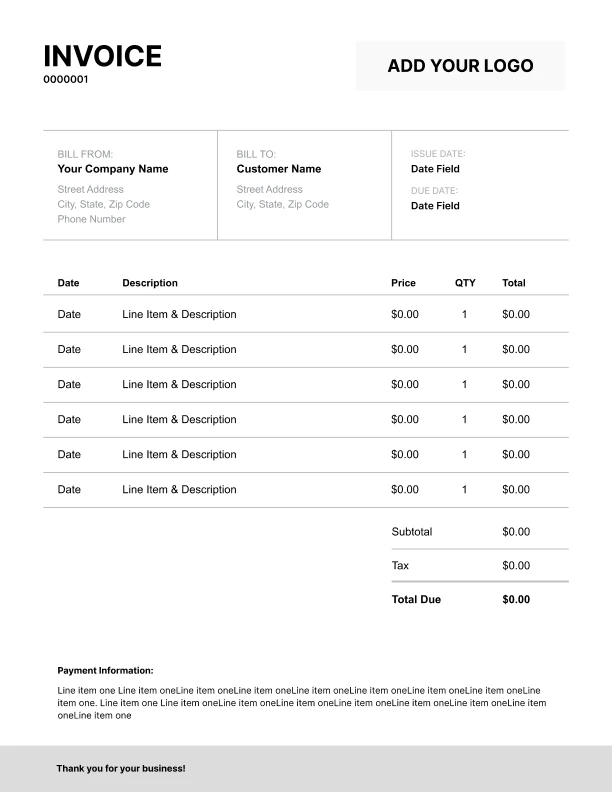
Custom Music Teacher Invoice Template

Best for:
Logo, student ID and studio fields.

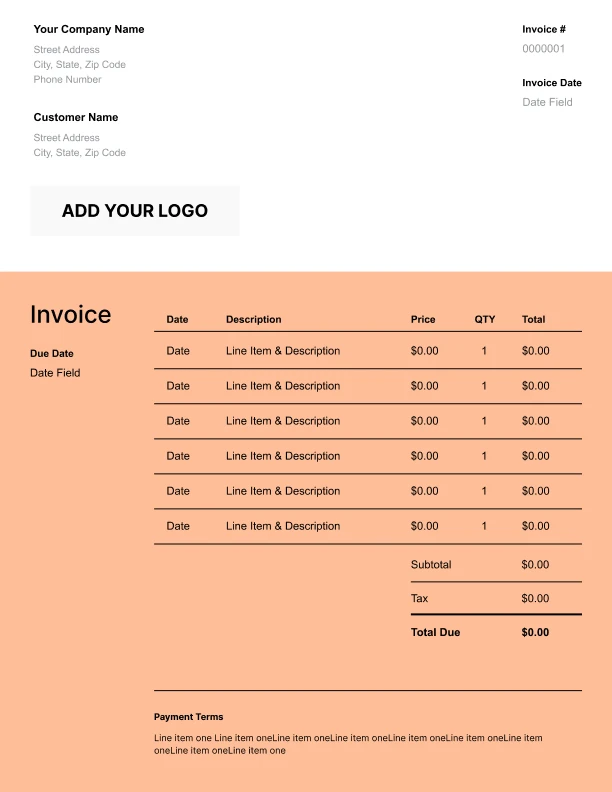
Editable Music Teacher Invoice Template

Best for:
Edit packs, travel, exam fees.

Printable Music Teacher Invoice Template

Best for:
Totals, parent signature, dates.

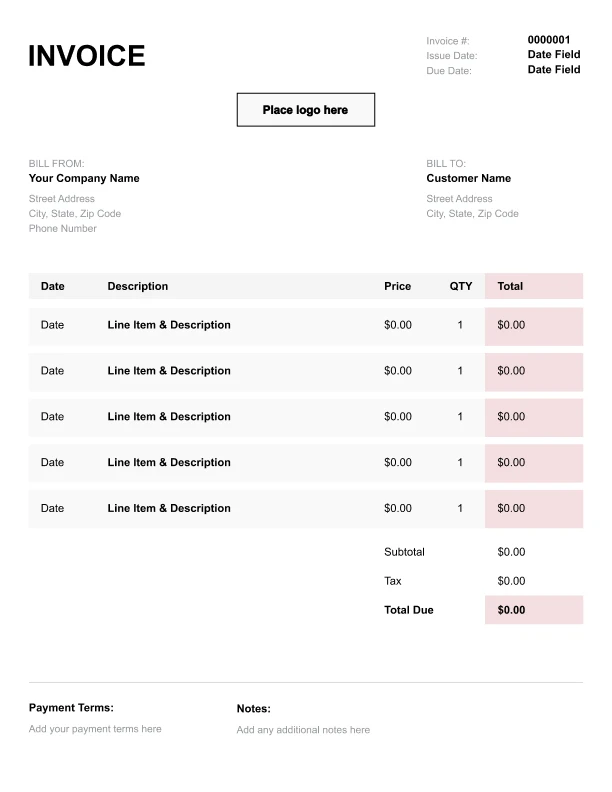
Free Music Teacher Invoice Template

Best for:
Instrument, session, hours, rate, notes.

How to Invoice as a Music Teacher

Keep it simple, repeatable, and fair so families see exactly what they owe and why.
Free Online Invoice Generator
☝️ No sign-in. Save as PDF.
In 5 Steps:
  1. Confirm the lesson schedule, length, and rate for the period, and take a deposit if you require one.
  2. Track lessons as they happen, and log extras like materials, travel, rehearsals, or exam prep.
  3. On your set date, draft the invoice with clear dates and counts for the period.
  4. Apply any deposit or credits, note discounts, and calculate the balance due.
  5. Send the invoice with payment terms, collect payment, then send a receipt.
Free Online Invoice Generator
☝️ No sign-in. Save as PDF.

What to Include in a Music Teacher Invoice

These are the must-have fields for clear, compliant invoices.
  • Studio or business name and contact info
  • Teacher name and certification or ID (if applicable)
  • Student name and parent or guardian contact (if minor)
  • Invoice number and issue date
  • Billing period start and end dates
  • Lesson length and frequency for the period
  • Itemized charges with quantities (lessons, materials, travel)
  • Deposit or prior credit applied
  • Subtotal, discounts, and tax on materials (check local rules)
  • Payment terms, due date, and policy link

Billing Scenarios for Music Teachers

How to label charges so every invoice makes sense the moment your clients see it.

1.
Trial lesson; Materials packet
New student trying lessons
A small, clear starter keeps risk low and covers the required book.
2.
Tuition: 4 lessons; Registration fee
Monthly tuition billed in advance
Predictable billing pairs with a one-time admin fee for setup.
3.
Travel mileage; Parking or toll
In-home lesson with travel time
This covers time and out-of-pocket costs to reach the home.
4.
Recital fee; Rehearsal or accompaniment
Recital or exam preparation
List the number of lessons and the minutes per lesson, and adjust the count or add a note when holidays reduce contact time.
5.
Late cancellation fee; Nonrefundable lesson credit
Late cancellation inside policy window
This protects your booked time and supports a consistent schedule.
6.
Platform fee; Equipment rental
Extra platform or temporary gear creates real costs you must recover.
Free Invoice Generator
No sign-in. Save as PDF.
Create a Free Account
☝️ Risk-free 30-day trial.

What music teachers usually bill for

Itemize lesson hours, materials, ensemble fees, and cancellations with professional invoice line items.

Charge or Service
Unit
Taxable
When to use
How to show it
Private Lesson (30–60 min)
Time
Weekly one-to-one lesson
Duration × hourly rate. Track start/stop times and note repertoire or skills covered for transparent records.
Extended Lesson Block (90 min)
Time
Intensive prep or ensemble work
Duration × hourly rate. Use for juries, auditions, or advanced theory that needs extra time.
In-Home Lesson Travel Fee
Item
You travel to the student
Qty × call-out rate. Apply per visit; document distance or zone to keep it consistent.
Sheet Music / Method Book
Item
Taxable
You supply a book or score
Cost × (1 + markup%). Hand the copy to the student and record title and edition.
Strings/Reeds/Consumables
Item
Taxable
You provide consumable parts
Cost × (1 + markup%). Note brand and size; charge only for items the student keeps.
Recital Package (venue + admin)
Item
Tax Varies
Recital slot with venue included
Package × fixed price. Venue and admin are bundled; itemize details in notes when they can’t be split.
Exam Registration Pass-Through
Item
You register a student for exams
Pass-through as billed. Attach receipt or confirmation number and list the exam level.
Late Cancellation Fee
Item
Student cancels inside your window
Qty × fee per policy. Reference your cancellation window and date of notice.
Make-Up Lesson (Scheduled)
Time
Approved make-up outside regular slot
Duration × hourly rate. Use only after a missed lesson is excused and rescheduled.
Progress Report & Goal Review
Time
Term review with student/parent
Time × hourly rate. Summarize progress, goals, and practice plan; send a copy with the invoice.
Save and reuse your music lesson rates
Create a free account and save lesson rates, materials, and ensemble fees once, so nothing gets retyped.
Create a Free Account
☝️ Risk-free 30-day trial. No card.

Common Music Teacher Invoicing Mistakes

Real issues that slow payment or spark disputes, with simple fixes that keep things smooth.

Mistake
How to fix it
Skipping the billing period dates creates confusion about what the charge covers.
Show the start and end dates for every invoice, and tie each charge to that window so families can match lessons to the bill.
Taking a deposit and not applying it on the first invoice erodes trust.
Record the deposit as a separate credit on the invoice and subtract it from the subtotal, showing the original total, the credit, and the new balance.
Separate recurring tuition from one time items and pass through costs, using clear words that match your studio policy.
List the number of lessons and the minutes per lesson, and adjust the count or add a note when holidays reduce contact time.
Changing your rate mid period without a note looks like a mistake.
Pro rate the change or start it next period, and add a brief note with the effective date so no one feels surprised.
Charging tax on lessons when it is not required or skipping tax on materials when it is required risks noncompliance.
Check local rules, tax only taxable items, and show the tax basis on the invoice.

Music Teachers Invoice FAQs

Bill for lessons, travel, materials, recitals, and exam prep with confidence. Pricing models, adders, and terms for studios and private instructors, clear answers.

How should I bill monthly tuition vs pay-per-lesson?

Charge monthly for ongoing students and per-lesson for drop-ins. Show dates and lesson length. Example: “4 x 45-min lessons @ $55 = $220.”

What do I charge for travel to in-home lessons?

Add a trip fee by distance or time. State how you measure it. Example: “Travel, 12 miles round-trip @ $1.10/mile = $13.20.”

How do I handle no-shows and late cancellations?

Set a cutoff and repeat it on every bill. Charge a percentage or full lesson. Example: “Late cancel, less than 24 hrs, 100% of $60 lesson = $60.”

Should I charge sales tax on lessons or materials?

Lessons are often tax-exempt, books and accessories may be taxable. Rules vary—check local rules. Example: “Faber Book Level 1 = $14.99 + sales tax.”

How do I bill for recitals, accompanists, and venue fees?

List each cost and who set the rate. Add your admin time if you coordinate. Example: “Recital venue share = $25, Accompanist, 2 pieces @ $20 = $40.”

How do I itemize sheet music and licensing?

Bill only purchased or licensed materials. Note the source. Example: “Digital sheet music, MusicNotes order #12345 = $6.99.”

What about makeup lessons?

Record makeups as prepaid credits or as a $0 line with date used. Keep the trail. Example: “Makeup credit applied, 30-min lesson, 8/12, $0.”

Can I add late fees and payment terms?

Yes, if allowed in your state and in your studio policy. Post terms clearly. Example: “Net 10. Late fee after day 11 = $15.”